
Apple CXMT DRAM deal has become one of the biggest hardware stories of the week. Reports suggest Apple's attempt to secure cheaper DRAM memory from Chinese chipmaker CXMT has reportedly failed to receive the approval it was seeking. That does not mean your next MacBook or iPad suddenly becomes expensive overnight, but it does show how difficult the global chip supply chain has become and why buyers should keep an eye on component costs.
For most people, memory chips are invisible. You never see them after buying a laptop or tablet. But they directly affect manufacturing costs, repair pricing and, eventually, the retail price you pay. Memory availability also affects spare parts, long-term servicing and the overall cost of keeping devices running.
Why Apple was interested in CXMT
DRAM is one of the essential components inside modern electronics. Macs, iPads, smartphones and AI servers all depend on it. Over the past year, demand for advanced memory has increased sharply because AI companies are buying enormous volumes for data centres.
When suppliers focus on large AI customers, consumer electronics companies have fewer options. Reports indicate Apple explored sourcing memory from Changxin Memory Technologies (CXMT), one of China's largest DRAM manufacturers, because it could potentially reduce procurement costs.
That does not automatically mean Apple intended to replace every existing supplier. Large companies usually qualify multiple suppliers to reduce risk. Having another approved source improves negotiating power and protects production if shortages occur.
For buyers, the biggest story is not politics. It is that AI demand is making memory more expensive, and those costs eventually affect consumer devices.

Why the reported approval matters
The challenge was never just about price. CXMT has attracted significant attention from US authorities because of national security concerns. Reports say Apple wanted greater regulatory certainty before making any purchasing decision.
According to multiple reports, Apple reportedly sought approval or reassurance that using CXMT memory would not create future legal or regulatory problems. If those efforts have now been denied or failed to secure the desired outcome, Apple will likely continue relying on its existing memory suppliers.
It is important to separate confirmed facts from speculation. At the time of writing:
No confirmed supply agreement. There is no official announcement that Apple signed a commercial DRAM supply deal with CXMT.
No confirmed product impact. Apple has not announced changes to future Mac, iPad or iPhone hardware because of this issue.
Political uncertainty remains. Companies operating globally often need to balance supply costs with regulatory compliance.
That distinction matters because headlines often make it sound as though products have already changed when discussions may still be at an early stage.
Should Indian buyers be worried?
For most Indian buyers, the answer is no. If you are shopping for a MacBook, iPad or iPhone today, this report alone should not delay your purchase.
Instead, focus on the factors that actually affect your ownership experience:
Repairability. Apple's modern devices integrate memory tightly into the system, making upgrades impossible after purchase.
Storage choice. Buying enough storage on day one usually matters more than worrying about which DRAM supplier Apple uses.
Warranty. Official warranty coverage remains far more important than component sourcing.
Long-term software support. Apple's software updates generally have a much bigger impact on value than temporary component supply issues.
At Shree Mobile, we regularly see buyers worrying about manufacturing stories while ignoring practical ownership costs. A laptop that receives updates for years and has reliable service support is usually a better purchase than chasing every supply-chain headline.
If you are comparing options before buying, our more guides can help you evaluate real-world value instead of marketing claims.

What this says about the chip industry
The bigger lesson is that AI is changing the economics of memory production. Semiconductor companies naturally prioritise customers placing the largest orders. Today, many of those customers are building AI infrastructure rather than consumer electronics.
That creates several knock-on effects:
Issue | Possible effect |
|---|---|
Higher AI demand | More competition for DRAM supply. |
Higher component prices | Pressure on laptop and tablet manufacturing costs. |
Limited suppliers | Manufacturers seek alternative sources. |
Political restrictions | Supply-chain decisions become more complicated. |
This is not unique to Apple. Many electronics companies are looking for ways to diversify suppliers while reducing manufacturing costs. Sometimes that means adding new suppliers. Sometimes it means redesigning products. Sometimes it simply means accepting lower profit margins.
The current situation also highlights how closely technology and geopolitics are connected. A component that appears to be just another memory chip can become the centre of international policy discussions.
What this means for buyers
People often ask whether the brand of memory chip inside a device changes how well it performs. In most cases, the answer is no.
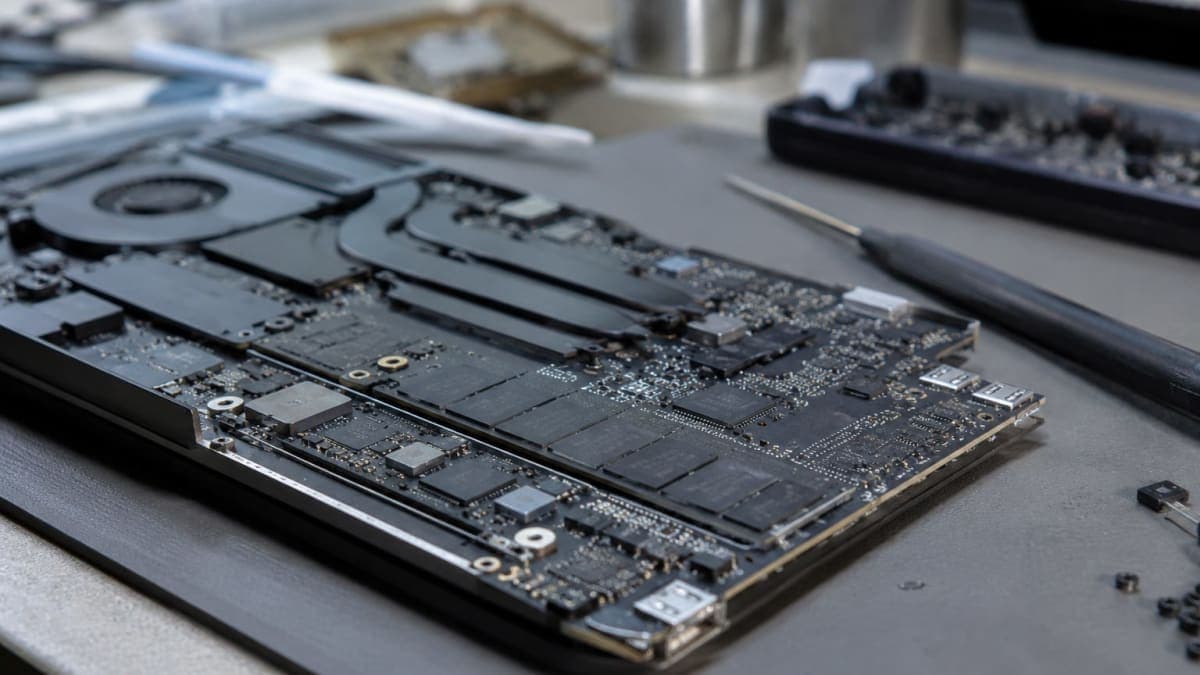
From a technician's point of view, the bigger issues are whether memory is replaceable, whether spare parts remain available and whether board-level repairs are practical. Modern Apple hardware integrates many components directly onto the logic board, which means replacing failed memory is far more complicated than swapping a module in an older laptop.
That is why buyers should focus on buying the right configuration from the beginning. If you think you may need more memory in three or four years, upgrading later is usually not an option on current Apple systems.
Another practical takeaway is that supply-chain news rarely changes repair advice overnight. We still recommend choosing devices based on reliability, software support and your actual workload rather than reacting to every report about component sourcing.
Bottom line
The reported Apple CXMT DRAM deal is important because it shows how difficult sourcing memory has become during the AI boom. Reports suggest Apple explored cheaper DRAM options but reportedly did not receive the approval it wanted, meaning no confirmed supply arrangement has emerged.
For Indian buyers, there is no reason to panic or postpone a purchase based on this news alone. Keep an eye on official product announcements, compare prices carefully and buy the configuration that will last several years. That approach usually saves far more money than trying to predict short-term supply-chain decisions.
If you are deciding between Apple products and competing Windows laptops, check more guides for practical buying advice based on long-term ownership instead of headlines.
For more information contact us on contact.shreemobile@gmail.com